








Get sales advice from our team 7 days a week
0871 244 0934
NVIDIA is one of the most prominent names in computer graphics. Their GeForce RTX graphics cards help power everything from fast-paced games to creative tools like video editing and 3D design. Whether you’re a gamer, content creator or both, there’s an RTX card for you.
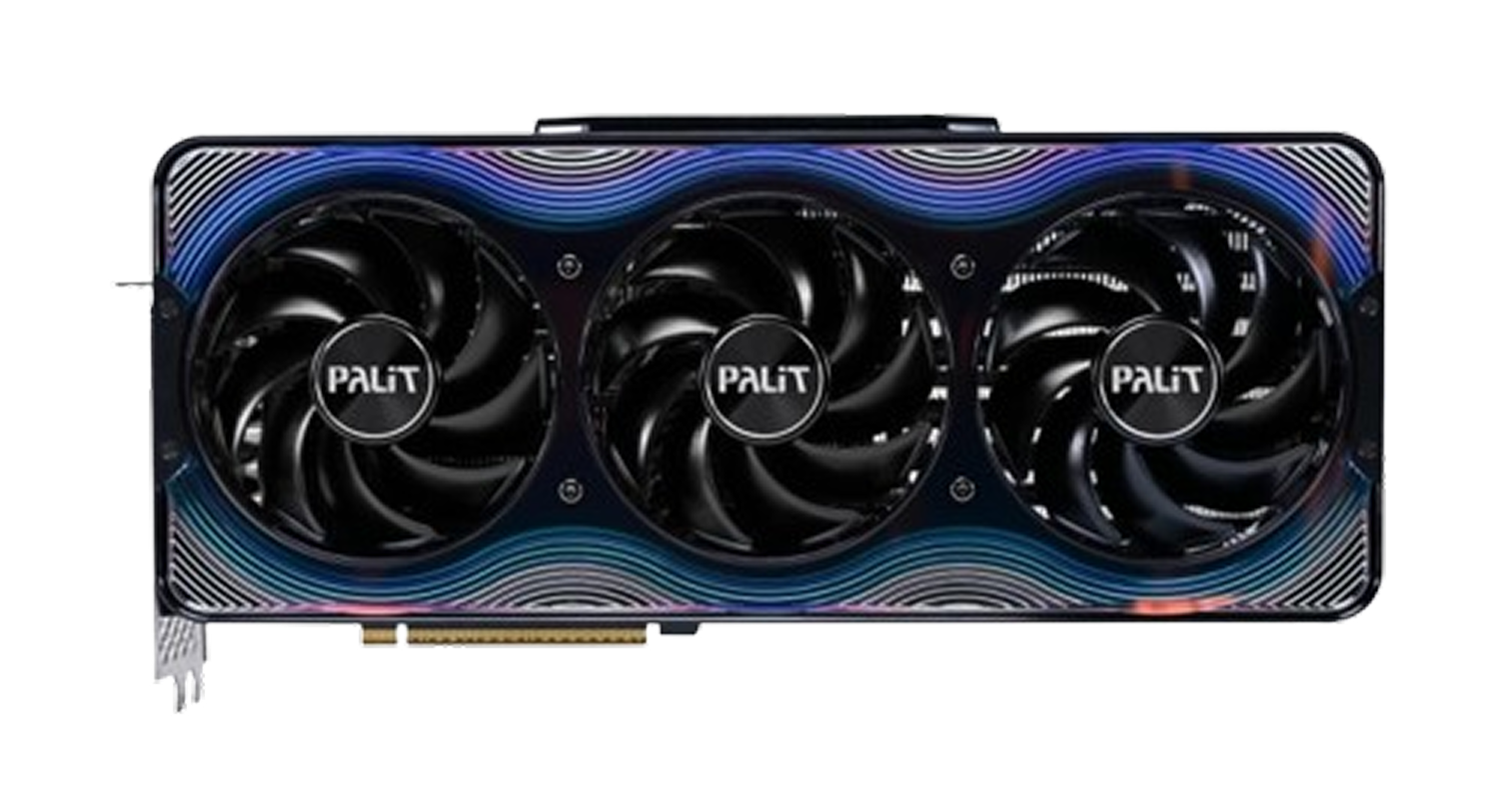
The GeForce RTX 5090 is the top-of-the-line GPU in the 50-Series range. With 21,760 CUDA cores, 170 4th-gen RT cores, 680 5th-gen Tensor cores, and 32GB of ultra-fast GDDR7 memory, it’s built for truly demanding setups, from 8K displays to high refresh rate 4K and ultra-wide QHD gaming.
The 50-Series uses NVIDIA’s new Blackwell tech, delivering up to 2× the speed of 40-Series GPUs in supported games.

4th-gen RT cores double ray tracing performance for smoother lighting, shadows and reflections.
.jpg)
5th-gen Tensor cores power DLSS 4, adding 3 AI frames between each real one for ultra-smooth gameplay.
.jpg)
9th-gen NVENC encoders support 4:2:2 colour for sharper video capture and pro-level editing.
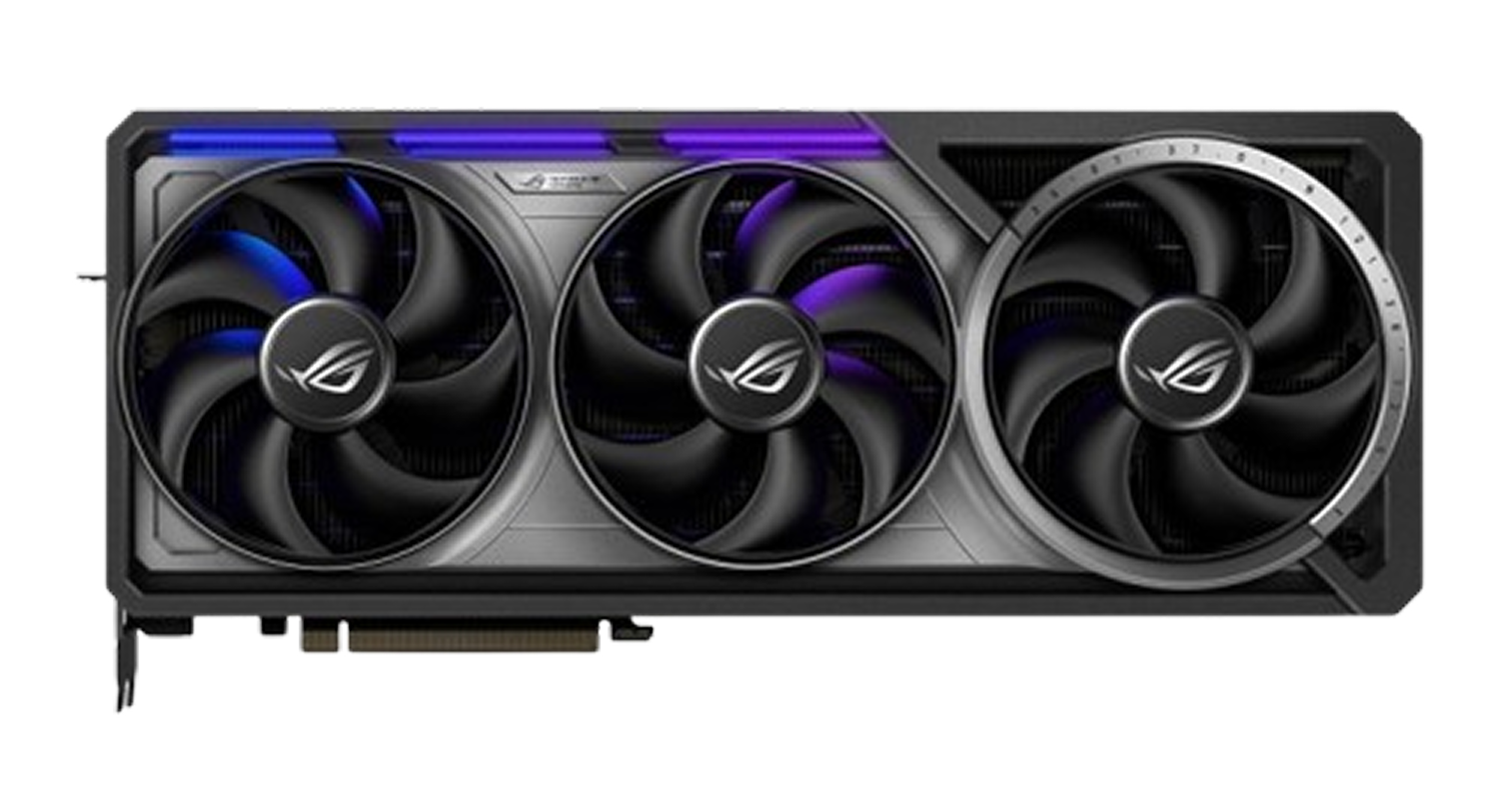
The GeForce RTX 5080 is a high-performance GPU built for serious 4K and UW-QHD gaming. It features 10,752 CUDA cores, 336 4th-gen RT cores, 84 5th-gen Tensor cores and 16GB of GDDR7 memory, delivering smooth, detailed gameplay in demanding titles.
The 50-Series uses NVIDIA’s new Blackwell tech, delivering up to 2× the speed of 40-Series GPUs in supported games.
4th-gen RT cores double ray tracing performance for smoother lighting, shadows and reflections.
5th-gen Tensor cores power DLSS 4, adding 3 AI frames between each real one for ultra-smooth gameplay.
9th-gen NVENC encoders support 4:2:2 colour for sharper video capture and pro-level editing.
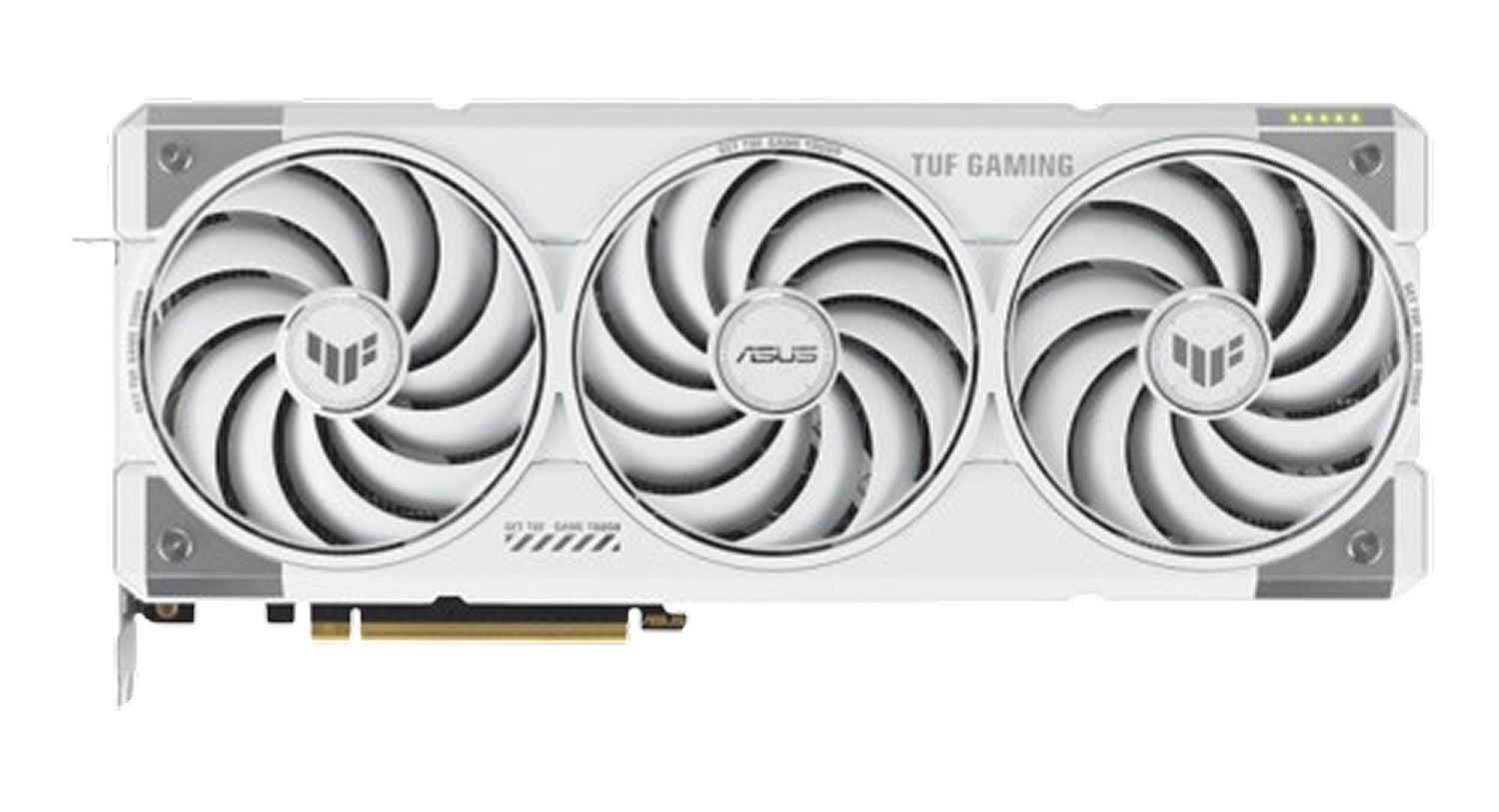
The GeForce RTX 5070 Ti is a high-end GPU for exceptional 1440p performance. With 8,960 CUDA cores, 70 RT cores, 280 Tensor cores and 16GB of GDDR7, it delivers fluid, detailed gameplay in modern AAA titles.
The 50-Series uses NVIDIA’s new Blackwell tech, delivering up to 2× the speed of 40-Series GPUs in supported games.
4th-gen RT cores double ray tracing performance for smoother lighting, shadows and reflections.
5th-gen Tensor cores power DLSS 4, adding 3 AI frames between each real one for ultra-smooth gameplay.
9th-gen NVENC encoders support 4:2:2 colour for sharper video capture and pro-level editing.
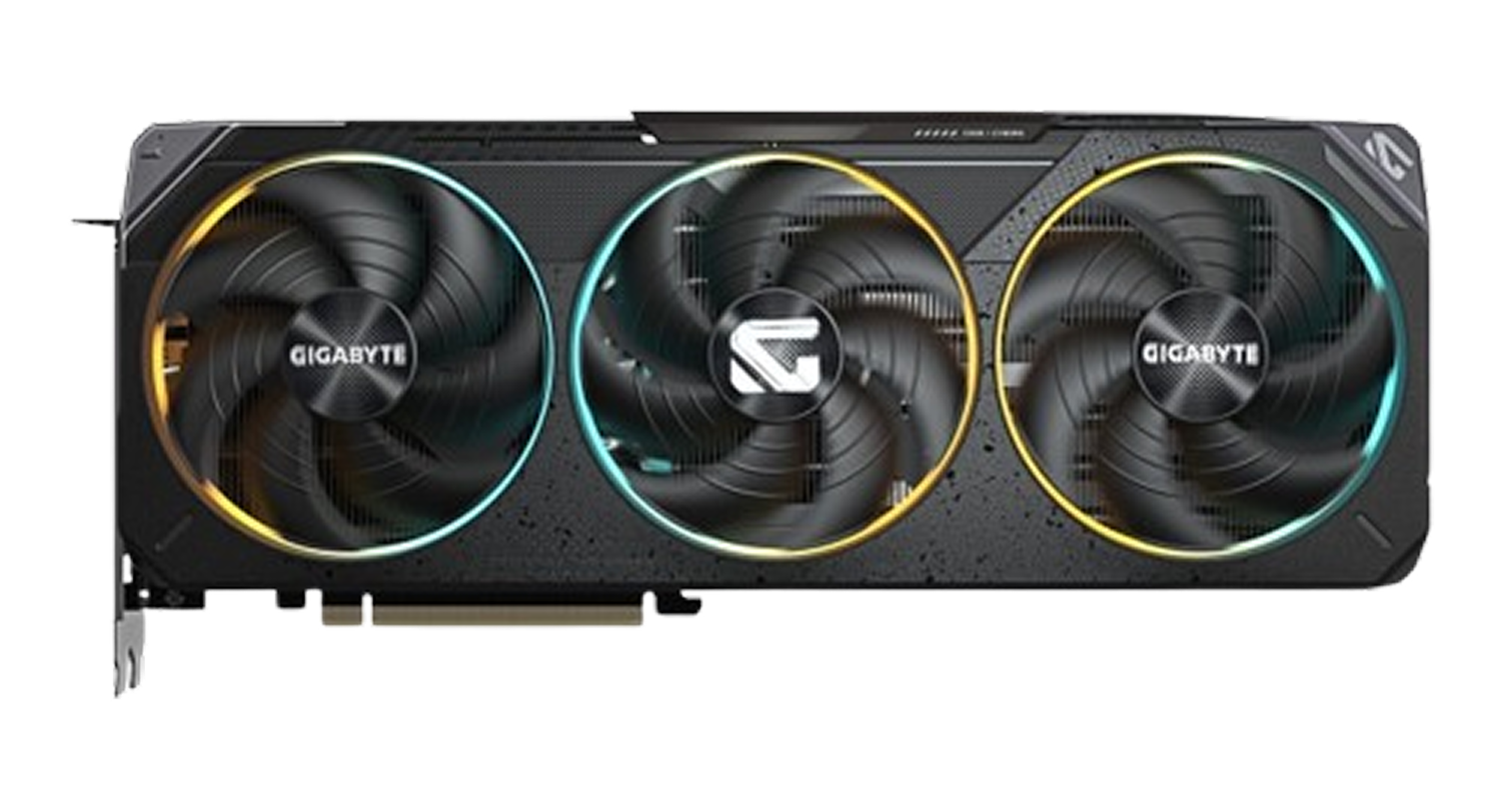
The GeForce RTX 5070 is a powerful mid-range GPU designed for 1440p gaming. With 6,144 CUDA cores, 48 RT cores and 12GB GDDR7, it offers smooth frame rates and sharp visuals.
The 50-Series uses NVIDIA’s new Blackwell tech, delivering up to 2× the speed of 40-Series GPUs in supported games.
4th-gen RT cores double ray tracing performance for smoother lighting, shadows and reflections.
5th-gen Tensor cores power DLSS 4, adding 3 AI frames between each real one for ultra-smooth gameplay.
9th-gen NVENC encoders support 4:2:2 colour for sharper video capture and pro-level editing.
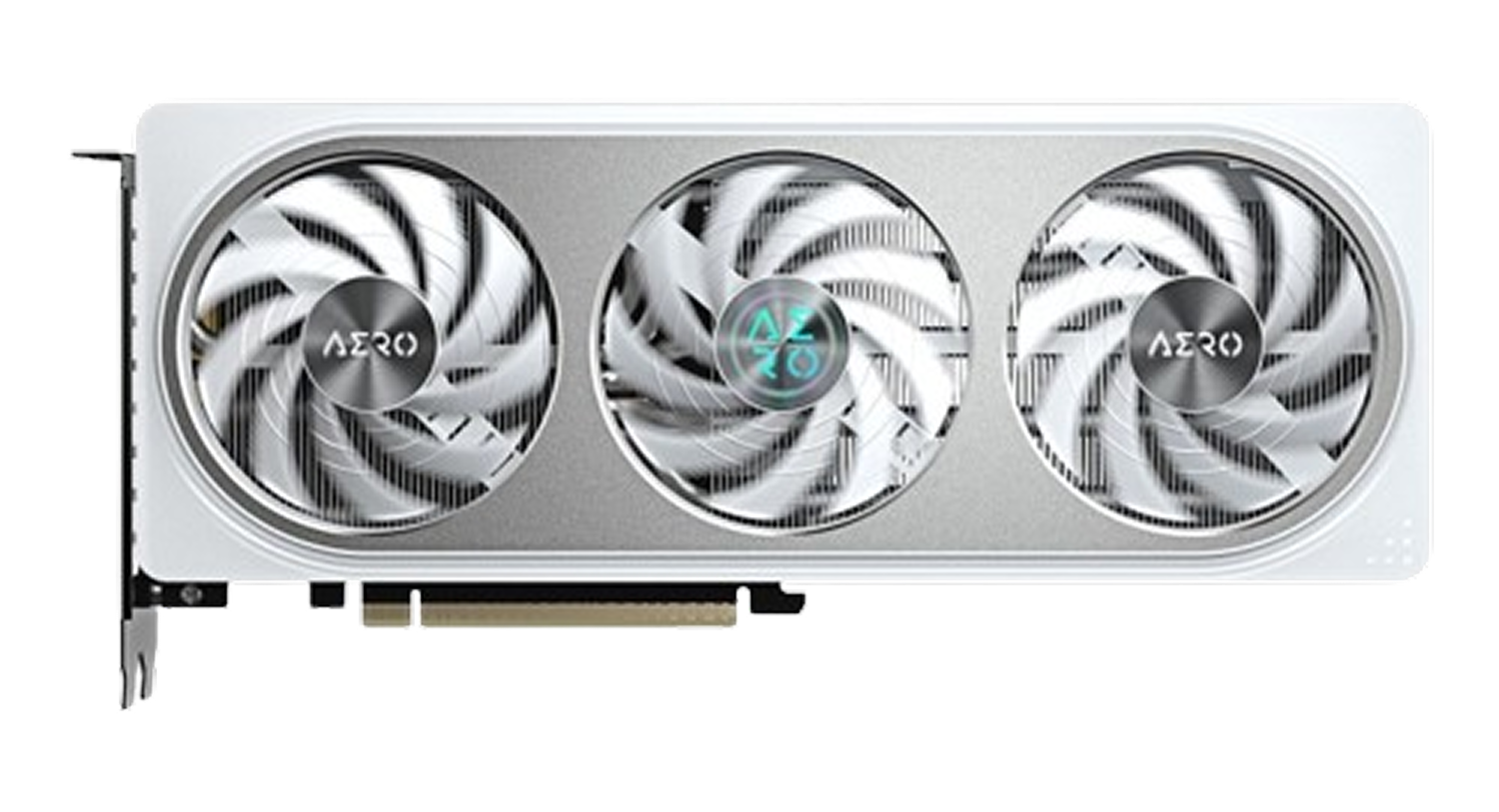
The GeForce RTX 5060 Ti is a mid-range GPU built for smooth, high-quality 1080p gaming. With 4,608 CUDA cores and up to 16GB of GDDR7 memory, it's ideal for fast-paced titles.
The 50-Series uses NVIDIA’s new Blackwell tech, delivering up to 2× the speed of 40-Series GPUs in supported games.
4th-gen RT cores double ray tracing performance for smoother lighting, shadows and reflections.
5th-gen Tensor cores power DLSS 4, adding 3 AI frames between each real one for ultra-smooth gameplay.
9th-gen NVENC encoders support 4:2:2 colour for sharper video capture and pro-level editing.
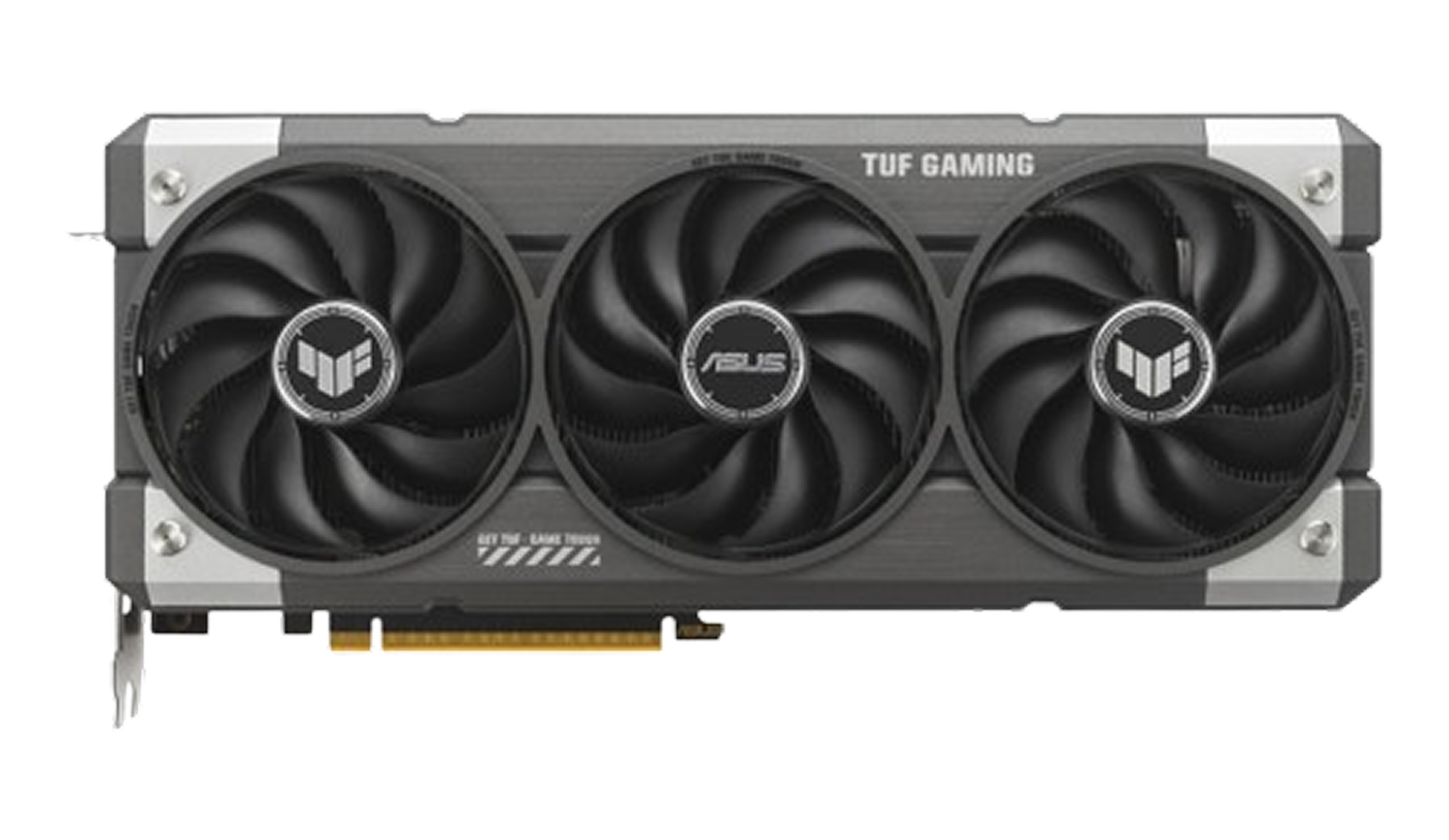
The GeForce RTX 5060 is a mid-range GPU designed for smooth high-FPS 1080p gaming, with 3,840 CUDA cores and 8GB of fast GDDR7 memory.
The 50-Series uses NVIDIA’s new Blackwell tech, delivering up to 2× the speed of 40-Series GPUs in supported games.
4th-gen RT cores double ray tracing performance for smoother lighting, shadows and reflections.
5th-gen Tensor cores power DLSS 4, adding 3 AI frames between each real one for ultra-smooth gameplay.
9th-gen NVENC encoders support 4:2:2 colour for sharper video capture and pro-level editing.
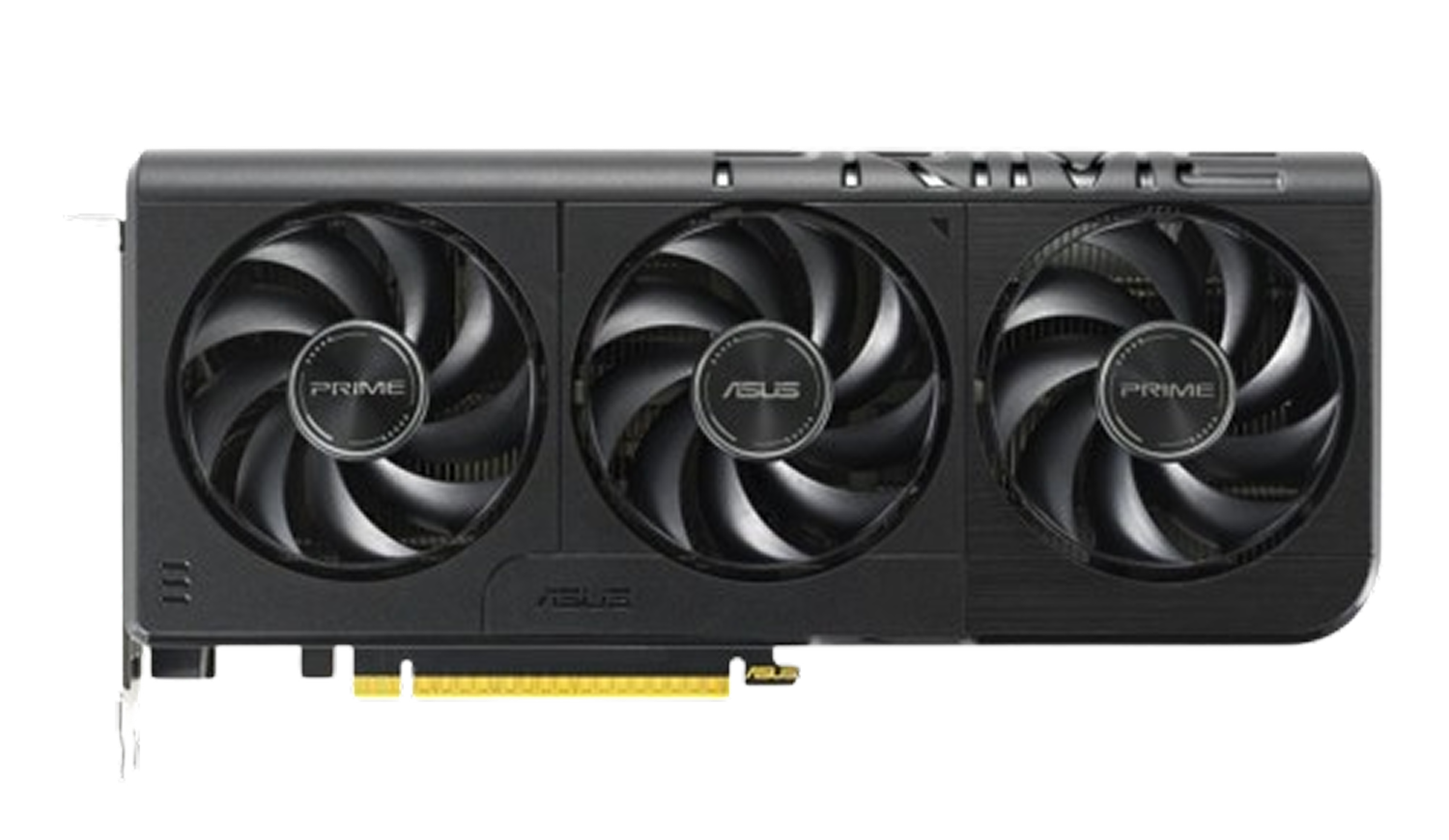
The GeForce RTX 5050 is the entry point into the 50-Series lineup, built for solid 1080p gaming with 2,560 CUDA cores and 8GB of GDDR6 memory.
The 50-Series uses NVIDIA’s new Blackwell tech, delivering up to 2× the speed of 40-Series GPUs in supported games.
4th-gen RT cores double ray tracing performance for smoother lighting, shadows and reflections.
5th-gen Tensor cores power DLSS 4, adding 3 AI frames between each real one for ultra-smooth gameplay.
9th-gen NVENC encoders support 4:2:2 colour for sharper video capture and pro-level editing.
| GeForce RTX 5090 | GeForce RTX 5080 | GeForce RTX 5070 Ti | GeForce RTX 5070 | GeForce RTX 5060 Ti | GeForce RTX 5060 | GeForce RTX 5050 | |
|---|---|---|---|---|---|---|---|
| NVIDIA CUDA® Cores | 21,760 | 10,752 | 8,960 | 6,144 | 4,608 | 3,840 | 2,560 |
| Tensor Cores (AI) | 5th Gen — 3352 AI TOPS | 5th Gen — 1801 AI TOPS | 5th Gen — 1406 AI TOPS | 5th Gen — 988 AI TOPS | 5th Gen — 759 AI TOPS | 5th Gen — 614 AI TOPS | 5th Gen — 421 AI TOPS |
| Ray Tracing Cores | 4th Gen — 318 TFLOPS | 4th Gen — 171 TFLOPS | 4th Gen — 133 TFLOPS | 4th Gen — 94 TFLOPS | 4th Gen — 72 TFLOPS | 4th Gen — 58 TFLOPS | 4th Gen — 40 TFLOPS |
| Boost Clock (GHz) | 2.41 | 2.62 | 2.45 | 2.51 | 2.57 | 2.50 | 2.57 |
| Base Clock (GHz) | 2.01 | 2.30 | 2.30 | 2.33 | 2.41 | 2.28 | 2.31 |
| Standard Memory Config | 32 GB GDDR7 | 16 GB GDDR7 | 16 GB GDDR7 | 12 GB GDDR7 | 16 GB / 8 GB GDDR7 | 8 GB GDDR7 | 8 GB GDDR6 |
| NVIDIA Encoder (NVENC) | 3× Ninth Gen | 2× Ninth Gen | 2× Ninth Gen | 1× Ninth Gen | 1× Ninth Gen | 1× Ninth Gen | 1× Ninth Gen |
| Required System Power (W) | 1000W | 850W | 750W | 650W | 600W | 550W | 550W |
| Release Date | January 2025 | January 2025 | February 2025 | March 2025 | April 2025 | May 2025 | June 2025 |
.png)
Browse powerful all-rounders to 4K-ready cards. Filter by brand, VRAM, resolution or price to find your best fit.
The best NVIDIA graphics card depends on your needs. The GeForce RTX 5090 is the most powerful option in the 50-Series lineup, built for extreme 4K/8K gaming, advanced AI workloads, and professional tasks like 3D rendering and video editing. If you’re a serious gamer or creator and want no compromises, it’s the top-tier choice.
Meanwhile, the RTX 5080 is perfect for serious gamers who want high framerates and ultra settings at 4K, but don’t need the full workstation power of the 5090. It offers excellent value for high-end gaming and creative workloads.
The RTX 5070 hits the sweet spot for most users. It’s designed for 1440p gaming with high settings, smooth ray tracing, and future-ready features like DLSS 4, all without breaking the bank.
NVIDIA’s RTX card names follow a simple pattern. The first two digits show the generation (e.g., RTX 50-Series), while the last two digits show the performance tier. The higher the number, the more powerful the card.
XX90: Ultimate performance (e.g., RTX 5090)
XX80: High-end 4K gaming (e.g., RTX 5080)
XX70: 1440p sweet spot (e.g., RTX 5070)
XX60: Best for 1080p and esports (e.g., RTX 5060)
NVIDIA uses different suffixes to show how a graphics card compares to others in the same tier. A “Ti” model, short for Titanium, is a boosted version of the base card, with more cores, faster clock speeds, and higher performance.
“SUPER” cards are mid-cycle refreshes that improve speed and efficiency without jumping up to the next full tier. Some cards also come in VRAM variants (like 8GB vs. 16GB). More video memory helps with higher resolutions, detailed textures, modding, and creative work like 4K editing or 3D design. When comparing GPUs, both the suffix and VRAM capacity are key to understanding real-world performance.



