











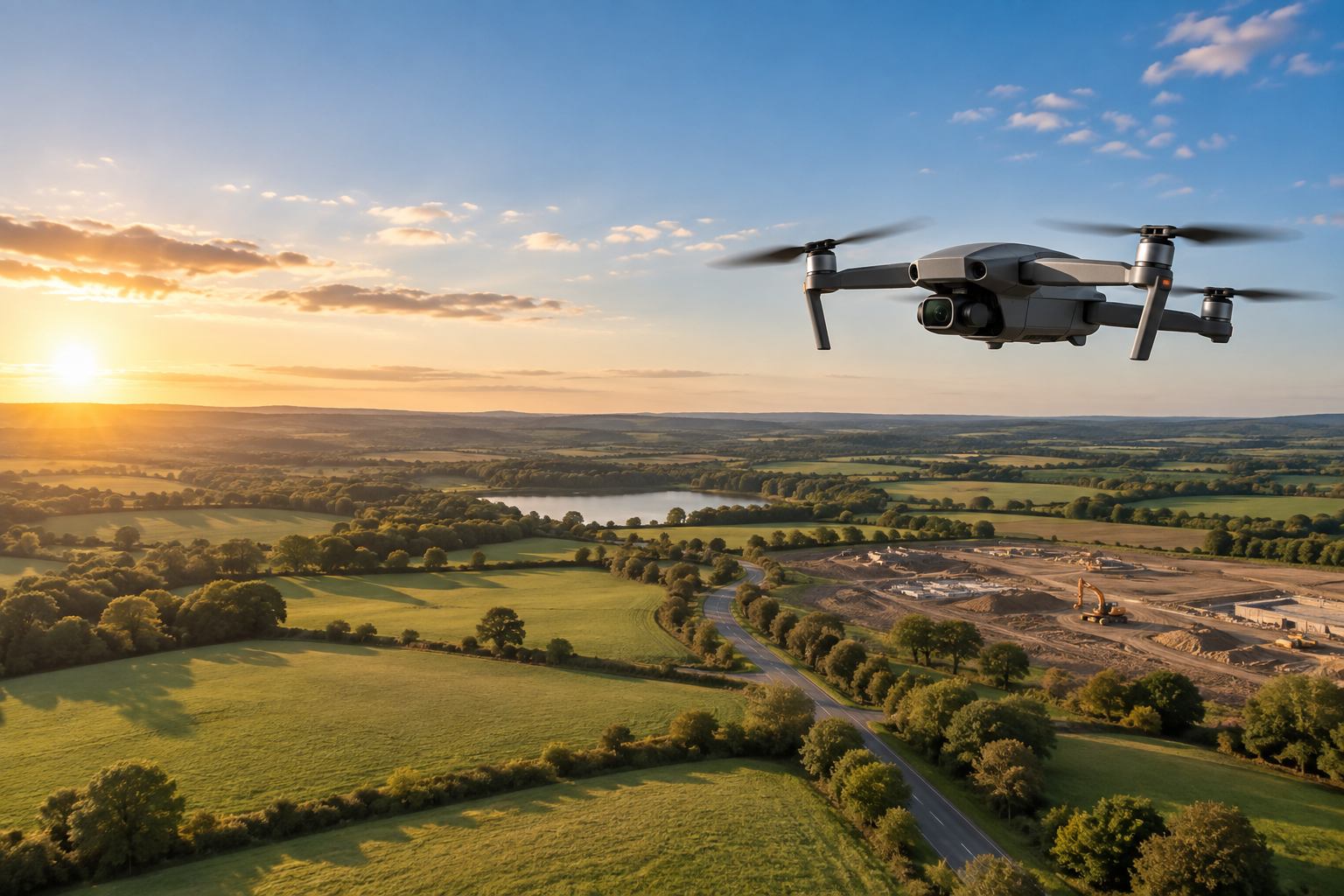
Start with your main reason for flying
The right drone is the one that matches the work you want to do. A lightweight camera drone can suit travel and personal projects, while a commercial system may be built around a sensor, mapping workflow or repeatable operation.
General hobby flying
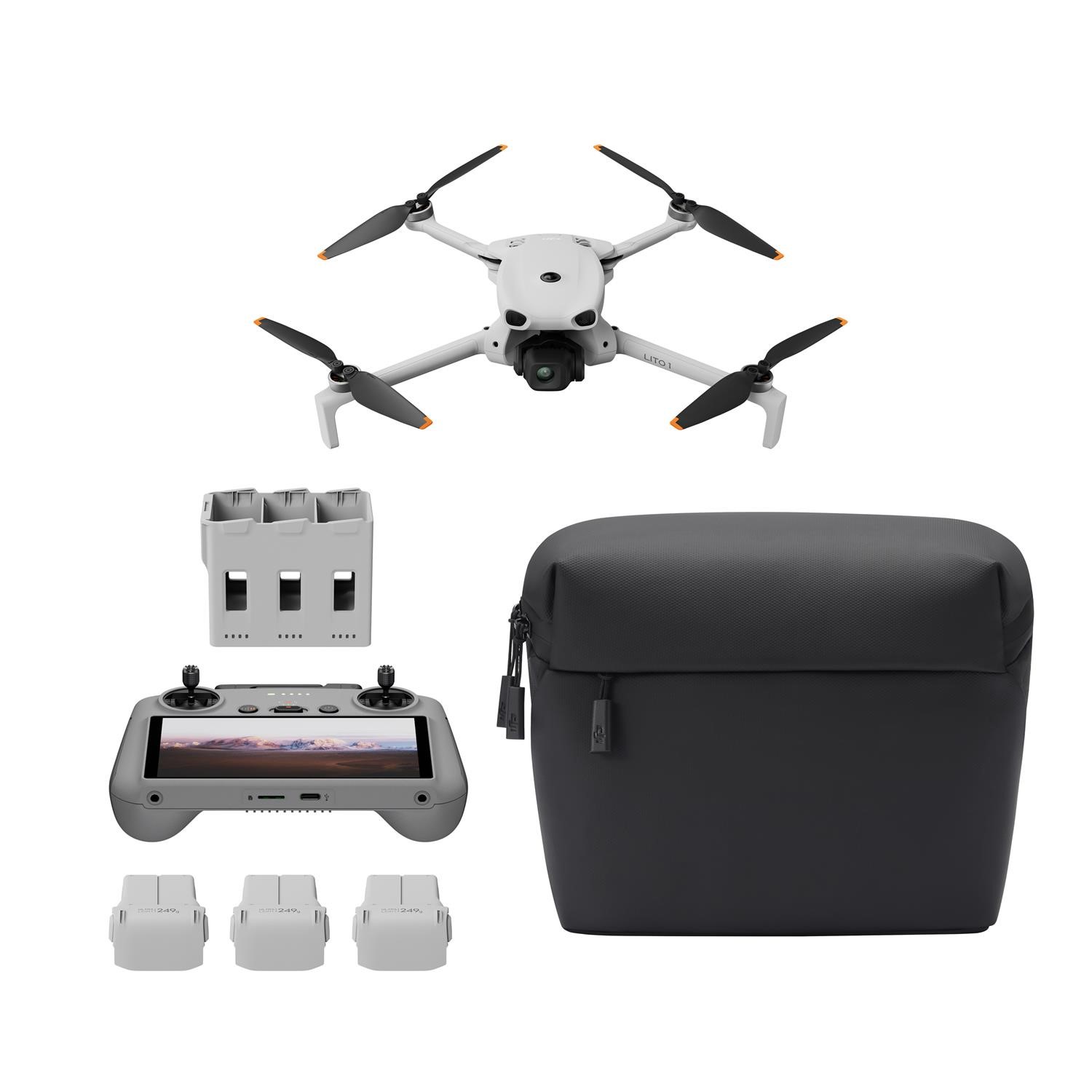
General hobby drones are for learning controls, exploring local spaces and capturing occasional clips. Prioritise a manageable aircraft and easy setup over headline range or resolution.
- A stable flight mode, clear controller and return-to-home function if the model supports it
- Spare batteries or a Fly More-style bundle if you want longer sessions
- Foldable build, propeller protection or low weight if you will travel or learn in tighter spaces
Photography and video
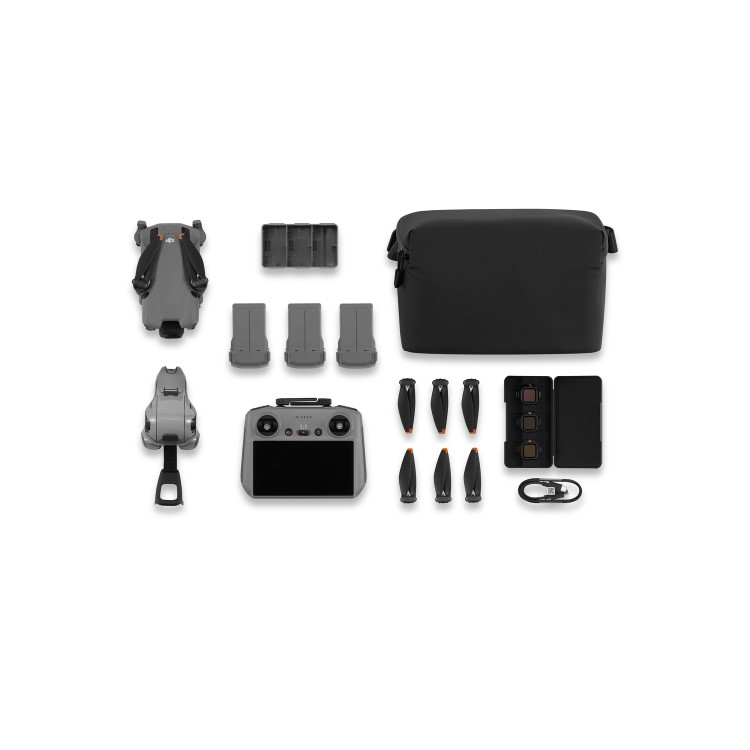
A camera drone is for stills, travel footage, property and landscape work or social content. Sensor size, gimbal, shooting formats and tracking modes affect results more than the headline megapixel count.
- A 3-axis gimbal for smoother footage, checking whether the exact model includes one
- 4K or higher video, frame-rate options and vertical shooting if your delivery channel needs it
- Obstacle sensing, subject tracking and a controller workflow that lets you monitor framing
FPV and immersive flying
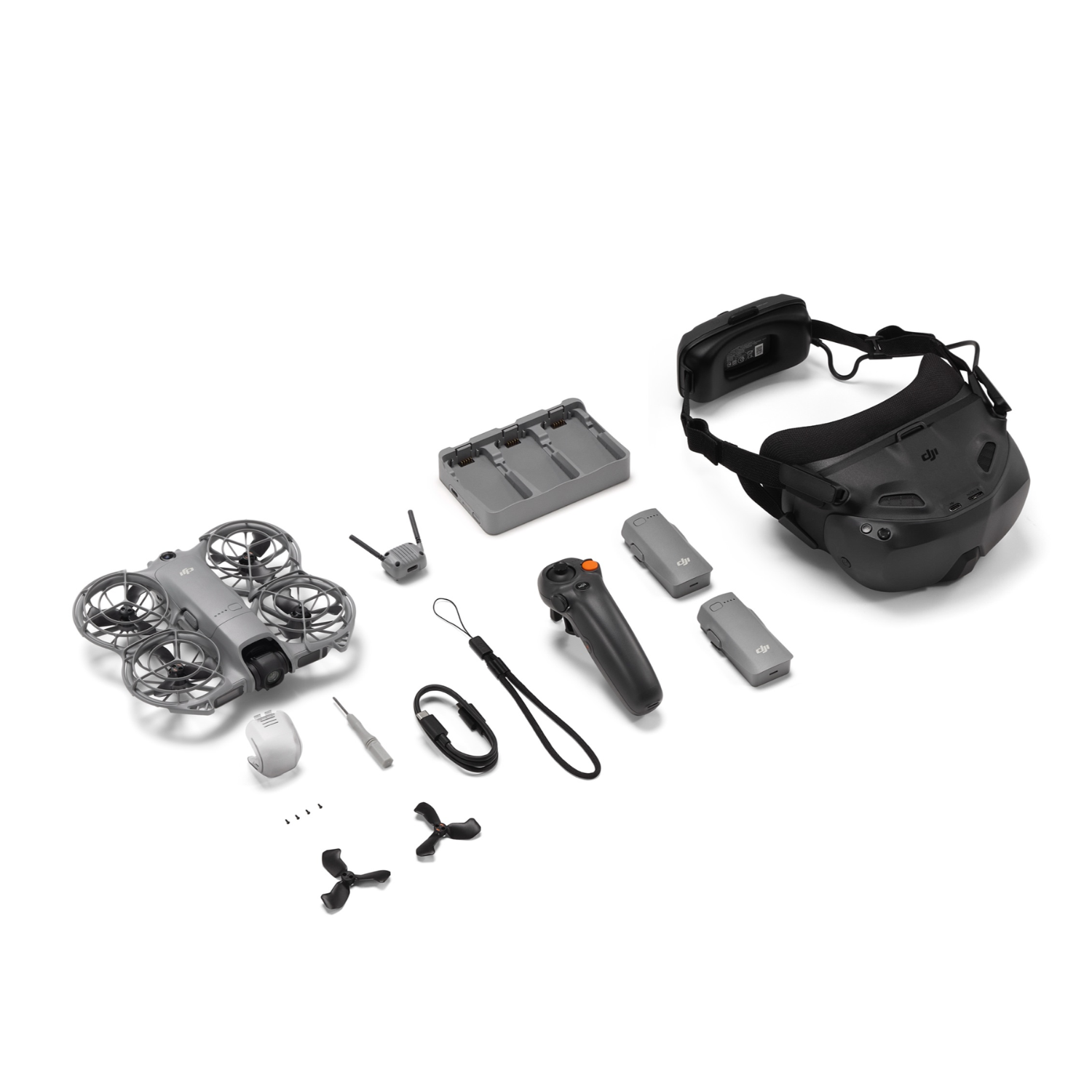
FPV drones are designed for an immersive first-person view through goggles. They suit fast, close-to-the-action footage and pilots who enjoy a more involved flying style.
- Goggles, low-latency video and a wide field of view
- Protected propellers or a robust frame for the type of flight you plan
- An appropriate practice area, spare parts and time to learn the controls
Commercial and enterprise
Enterprise drones are purchased as part of an operation, not just as an aircraft. The right choice depends on the data you need, the environment, the people on site and how the results will enter your existing workflow.
- RTK, mechanical shutter or 3D mapping for survey data, if your software and process support them
- Thermal, multispectral, telephoto, LiDAR or another payload matched to the job
- Weather resistance, battery logistics, secure data handling, training and the required authorisation
Compare the features that change the result
Two drones can both record 4K video and still suit very different jobs. Use these checks to separate useful capability from a specification that will not change your flights.
Our recommendations
These are useful starting points from the current range. Compare the full product details, included accessories and current status before you buy.

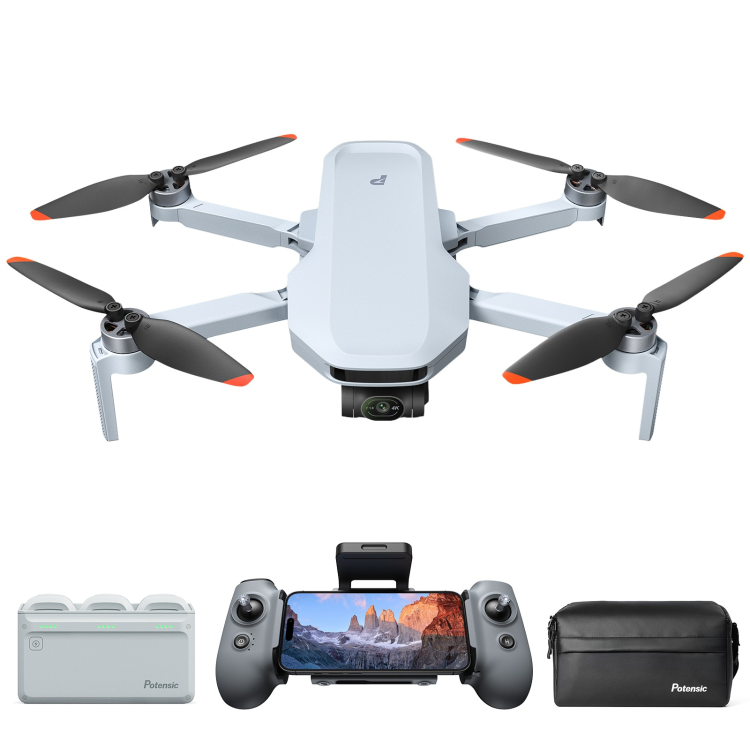
Match an enterprise drone to the job
Commercial drones are often bought as part of a wider system. Start with the information your team needs, then check the aircraft, payload, software, training, airspace and data process together.
| Use case | Features to prioritise | Current range to compare |
|---|---|---|
| Construction and surveying | RTK, mechanical shutter, 3D mapping, zoom, obstacle sensing and repeatable flight plans | |
| Agriculture and crop analysis | RGB and multispectral cameras, RTK positioning, mapping coverage and a compatible data workflow | |
| Search and rescue | Thermal imaging, low-light or night vision, telephoto detail, laser finding, endurance and obstacle sensing | |
| Infrastructure and utilities | Zoom, thermal or LiDAR payloads, weather resistance, safe sensing and capacity for the required equipment | |
| Site monitoring and repeat missions | Dock or remote-operation integration, endurance, obstacle sensing, secure data handling and maintenance planning | |
| Media and environmental work | Stable camera movement, low-light performance, storage, flight planning and permissions for people, land and wildlife | Compare the 4K drone range and camera and payload options |
Shop drones by use and system
Once you know what you need, use the relevant route to compare the current products, filters and accessories.
Use this practical buying checklist
Tick each point as you compare products. The checklist stays on this page and does not save personal information.
0 of 10 checked
Drone buying questions, answered
What is the difference between a hobby drone and an enterprise drone?
A hobby drone usually prioritises easy flying, portability and personal photos or video. An enterprise drone is selected around a mission and data workflow, with options such as thermal, multispectral, RTK, LiDAR, mapping, docking or payload integration. The right choice depends on the result you need rather than the label alone.
Is a camera drone under 250g free from UK registration?
Not necessarily. The CAA says a drone from 100g to less than 250g with a camera needs a Flyer ID and Operator ID. Drones below 100g do not need those IDs, but you must still follow the applicable flying rules. Check the exact take-off weight and camera configuration.
Do I need permission to fly a drone for work?
UK drone rules are risk-based, so the answer is not simply based on whether the flight is paid work. Basic operations may fit the Open Category, while more complex operations fall into the Specific Category and need CAA operational authorisation. Check the operation, aircraft, location and required competence before planning the job.
What does RTK do on an enterprise drone?
RTK, or real-time kinematic positioning, can provide highly accurate location data when the aircraft, correction source and processing workflow are compatible. It can be useful for surveying and mapping, but it does not replace flight planning, ground control or an appropriate data process.
Is 4K enough for drone photography?
4K describes video resolution, not the whole camera system. For good aerial content, also compare the sensor size, lens, gimbal stabilisation, frame rates, low-light performance, still image quality, storage and editing workflow.
Are FPV drones difficult to fly?
FPV has a different learning curve from a GPS camera drone because you fly through goggles and may use more involved controls. Choose a complete kit with suitable assistance, practise in a safe open area and check the operating rules for the aircraft and location.
Which drone sensors are useful for agriculture?
RGB cameras can support visual inspection, while multispectral sensors can add information for crop analysis when paired with suitable agronomy and mapping software. RTK can support accurate positioning. Check the complete data workflow, not just the sensor name.
Can enterprise drones fly in rain?
Only if the exact model is rated for the conditions and the manufacturer's limits allow it. An IP rating or weather-resistant design is not permission to fly in every type of rain, wind, cold or dust. Check the aircraft, payload, batteries and operating procedure together.
Before flying outdoors, use the CAA Drone Code to check whether you need a Flyer ID and Operator ID, confirm the aircraft's class and weight, and check airspace restrictions. Keep the drone within the permitted operating limits, protect privacy and follow the manufacturer's battery, weather and maintenance guidance. Enterprise operations may need a risk assessment, additional competence and CAA authorisation.
Ready to find your drone?
Start with the use case, then compare the camera, flight system, sensors, bundle and operating requirements that fit your plans.